
Why Software Developers Are Vital for Streamlining Business Operations
Every business depends on efficient processes to remain competitive, control costs, and meet customer expectations. Whether a company manufactures products, manages inventory, coordinates projects, or handles customer orders, the systems behind those activities play a significant role in overall performance. When operations are fragmented or supported by outdated software, businesses often experience delays, errors, and unnecessary expenses.
This is where software development experts become invaluable. Their expertise helps organizations build, customize, and optimize software solutions that align with specific operational goals. The demand for these professionals continues to grow. According to the Bureau of Labor Statistics, approximately 129,200 job openings for software developers, quality assurance analysts, and testers are projected annually during the next decade, highlighting the ongoing need for these skills across all industries.
By developing tools that improve workflows and support day-to-day operations, developers help businesses increase productivity, reduce inefficiencies, and create a stronger foundation for long-term success.
Improving Workflow Efficiency Through Customized Solutions
Addressing Unique Operational Challenges
No two businesses operate exactly alike. While many organizations use off-the-shelf software, standard programs do not always address every requirement. Companies often have specialized processes, reporting needs, compliance standards, or production workflows that require a more tailored approach.
Software developers evaluate how a business functions and identify opportunities to improve efficiency through customized solutions. Instead of forcing employees to adapt their work to generic software, developers create systems that support existing processes while eliminating unnecessary steps. This approach helps employees complete tasks more quickly and accurately.
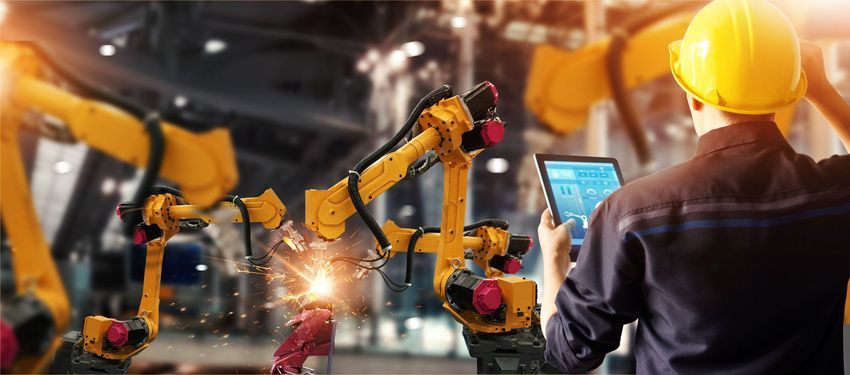
Customized software is particularly valuable in manufacturing environments where precision, scheduling, inventory management, and production planning must work together seamlessly. By aligning software capabilities with operational goals, businesses can create more consistent and efficient workflows.
Eliminating Redundant Processes
Many organizations struggle with duplicate data entry, disconnected systems, and manual administrative tasks. Employees may spend significant portions of their day transferring information between platforms or correcting avoidable errors.
Developers help eliminate these inefficiencies by creating integrations and automation tools that reduce repetitive work. When information moves automatically between departments and systems, employees can focus on higher-value responsibilities rather than routine administrative duties.
Reducing redundancy also improves data accuracy. When information only needs to be entered once, the likelihood of mistakes decreases significantly. This creates a more reliable operational environment and allows leaders to make decisions based on trustworthy information.
Supporting Long-Term Scalability
As businesses grow, their operational requirements become more complex. Systems that worked well for a small organization may struggle to support increased workloads, additional employees, or expanded product offerings.
Software developers design solutions with scalability in mind. Rather than creating software that only addresses current needs, they develop systems capable of adapting to future growth. This flexibility helps businesses avoid costly disruptions and reduces the need for complete software replacements as operations expand.
Organizations that invest in scalable software are often better positioned to accommodate changing demands while maintaining efficiency. As a result, they can continue growing without sacrificing productivity or service quality.
Enhancing Operational Accuracy and Process Control
Reducing Human Error
Mistakes can have serious consequences for businesses. Incorrect inventory counts, inaccurate production schedules, data entry errors, and missed deadlines can lead to lost revenue and dissatisfied customers.
Developers create systems that help minimize these risks by standardizing processes and introducing validation measures. Automated calculations, guided workflows, and built-in checks reduce the likelihood of human error while improving consistency across departments.
In manufacturing environments, accurate software solutions are especially important because even small mistakes can affect production timelines, material usage, and product quality. Well-designed software helps maintain precision throughout the entire workflow.
Improving Data Visibility
Business leaders rely on accurate information to make informed decisions. However, when data is scattered across multiple systems or departments, gaining a clear understanding of operational performance can be challenging.
Software developers create centralized platforms that consolidate important information into a single location. These systems allow decision-makers to access relevant data quickly and efficiently without spending hours gathering information from various sources.
Improved visibility helps organizations identify bottlenecks, monitor productivity, and evaluate performance more effectively. When leaders have access to timely information, they can respond proactively to challenges and opportunities.
Strengthening Quality Assurance
Quality control is a critical component of successful business operations. Consistent products, services, and processes help organizations maintain customer trust and protect their reputation.
Developers support quality assurance efforts by building systems that monitor workflows, track performance metrics, and document critical activities. These tools help organizations identify potential issues before they become larger problems.
In manufacturing settings, software platforms often support simulation, verification, inspection, and process monitoring functions. These capabilities allow businesses to maintain high standards while reducing costly rework and waste. Strong quality assurance practices ultimately contribute to greater efficiency and profitability.
Driving Productivity Across Departments
Improving Collaboration and Communication
Many operational challenges stem from poor communication between departments. When teams work in isolation, important information can be delayed, misunderstood, or lost entirely.
Software developers create platforms that facilitate communication and collaboration across an organization. Shared dashboards, centralized databases, and integrated workflows ensure that employees have access to the information they need when they need it.
Improved collaboration helps departments coordinate more effectively, reduces misunderstandings, and supports smoother project execution. As communication improves, businesses often experience faster turnaround times and better overall performance.
Optimizing Manufacturing and Production Workflows
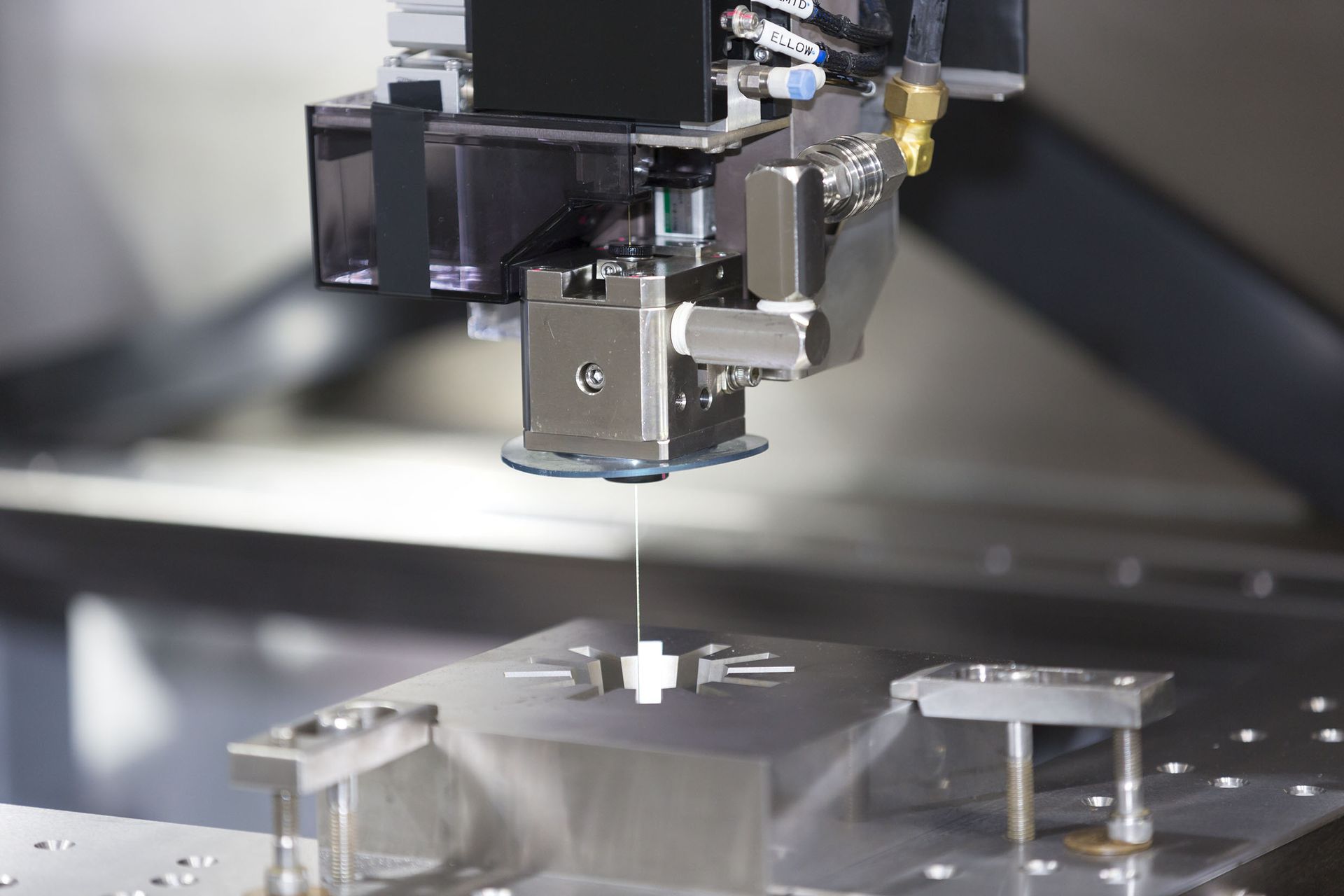
Manufacturing operations require careful coordination between design, planning, machining, inspection, and production activities. Even minor inefficiencies can affect schedules, costs, and product quality.
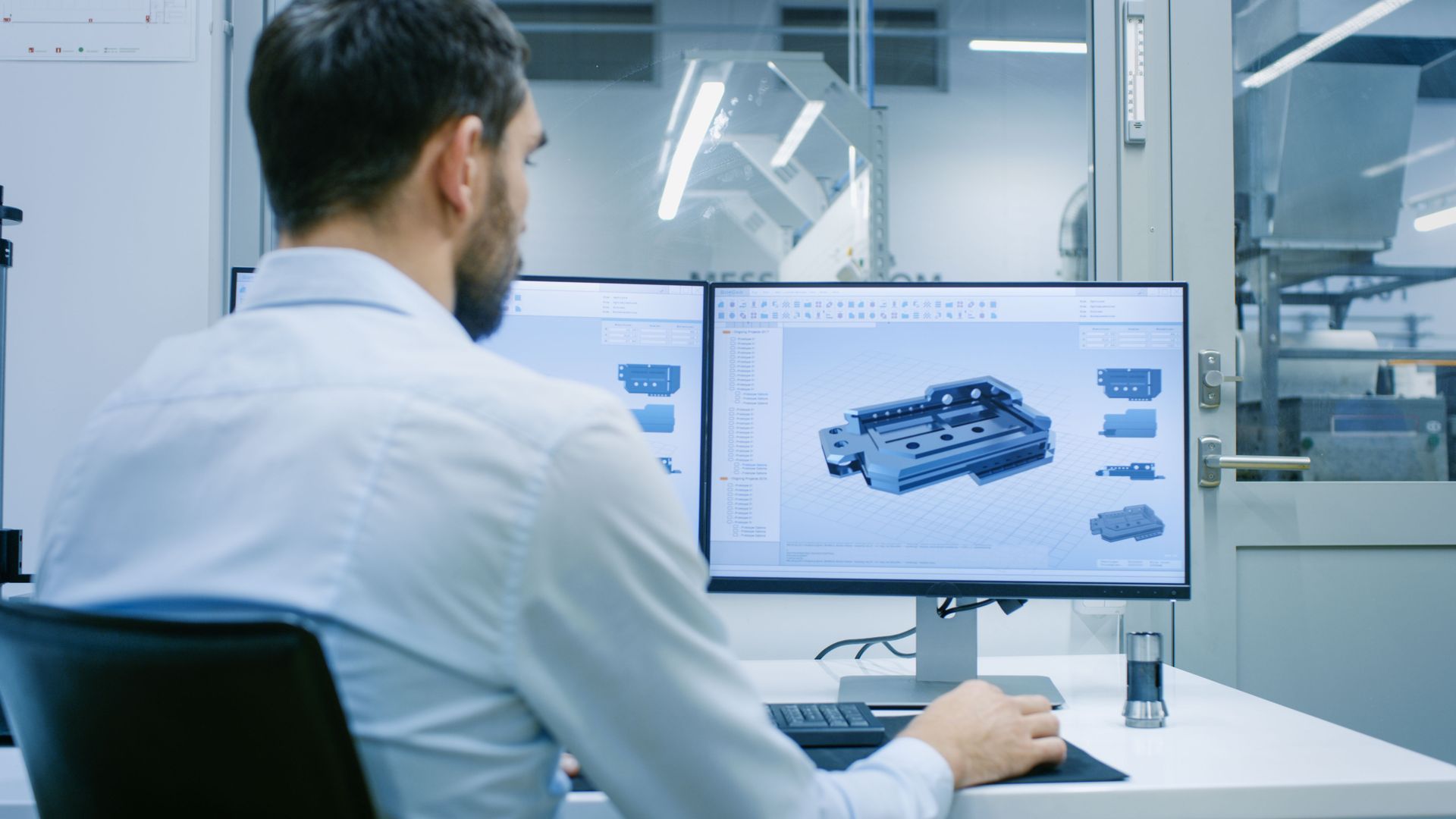
Developers play a key role in creating and supporting solutions that streamline these processes. Advanced manufacturing software can help organizations create detailed models, generate efficient workflows, verify machining operations, and improve overall business management.
Features such as integrated simulation, customizable workflows, process verification, and extensive machine compatibility help manufacturers operate more efficiently while reducing errors. By supporting these capabilities, software developers enable businesses to maximize productivity and improve operational consistency.
Software resellers further enhance this process by helping organizations select the right solutions, configure systems properly, and provide training that ensures teams can fully utilize available features. This combination of expert software implementation and developer-driven functionality creates substantial operational benefits.
Delivering Ongoing Improvements and Support
Business operations are constantly evolving. New customer requirements, changing production demands, and organizational growth can all create the need for software adjustments over time.
Developers provide ongoing support that helps businesses continue improving their processes. Through updates, enhancements, troubleshooting, and workflow optimization, they ensure software remains aligned with organizational goals.
This ongoing refinement is especially important for companies that rely heavily on specialized software for manufacturing, production management, or operational planning. Regular improvements help organizations maintain efficiency while adapting to changing business conditions.
Rather than treating software as a one-time investment, successful businesses view it as an evolving resource that supports continuous operational improvement. The expertise of software developers makes this ongoing optimization possible.
Efficient operations are essential for maintaining profitability, meeting customer expectations, and supporting sustainable growth. Businesses that rely on disconnected systems, manual processes, or outdated software often face unnecessary challenges that limit productivity and performance.
Developers provide the expertise needed to create solutions that streamline workflows, improve accuracy, strengthen quality control, and enhance collaboration across departments. Their ability to design customized, scalable systems allows organizations to operate more effectively while adapting to changing business needs.
For companies seeking to improve manufacturing workflows, optimize production processes, or gain greater control over day-to-day operations, investing in the right software solutions and the professionals who support them can deliver significant long-term value. By helping organizations work smarter and more efficiently, software developers remain a vital part of modern business success.
For reliable commercial access to high-quality software built by expert developers, reach out to Sierra Cad/Cam Inc!






Share On: